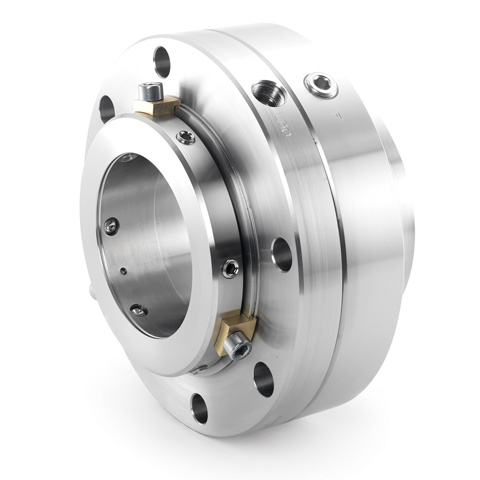
The installation of an AESSEAL® high performance CFFC™ dual seal proved to be the solution for the persistent failure of a seal on a North Sea oil platform. The existing seal was fitted to a vertical crude oil pump, and was failing every few months on average, and sometimes after just a few days.
More Industry Related Content

With Alasdair Conn
What was the main problem at this site and what was the cause?
Repeated seal failure of a competitor seal thought to be attributed to incidents of reverse pressurization in startup, with legacy reliability issues attributed to alignment issues and seal setting. This was in addition to excessive leakage and sudden fluctuations in barrier pressure. They had received very little support from the seal OEM. The previous seal vendor was happy to ‘throw seals at the problem’ rather than evaluate the design and system to provide a more appropriate, robust solution like we did. Seals were lasting three to nine months historical average - at ‘crisis point’ less than seven days (worst case was a seal not lasting a shift!).
How serious was it and how serious could it have become if AESSEAL had not intervened? Why was it proving so costly?
Operationally any seal failure on an offshore platform can lead to critical pumps being offline and, if there are no spare seals available, this could lead to very costly downtime. In this case, if the pump was offline, it impacted the well line up and meant the customer could not bullhead wells (inject process gas down hole and reduce the back pressure on the reservoir) which reduces total throughput.
What was wrong with the fix the company was attempting before they contacted AESSEAL?
The fix did not address the primary issues such as reverse pressurization. The seals needed a change in design to operate safely in the given conditions. By supplying replacement seals whenever there was a failure, the seal OEM were not actively trying to determine the root cause of the problem.
Was the solution obvious and why?
No as it was hard to determine exactly what was causing these issues without thorough examination of the failed seals, dialogue with the customer and analysis of machine trend data leading up to the failures. In addition, the seal support system in place was deemed not to be sufficient for the operating conditions so a new, non-standard Plan 53B system had to be designed and provided.
How difficult is it to install an application on an oil platform?
There are significant health and safety protocols to follow, space is limited, you’re often exposed to the elements of the North Sea, materials may not be easily available, working long shifts with technicians/engineers from other parties, away from home for weeks at a time, etc.
Was the customer an existing AESSEAL client and how pleased were they with the results?
Although the project was carried out via another company, the end-user was a new client. They have been very pleased with the result and have let AESSEAL know that they are ‘one happy customer’.
Did the cost savings outweigh the outlay? Have you received further orders?
Yes, as the cost of ordering new seals from the previous seal vendor, in addition to downtime and maintenance costs, have been outweighed by the purchase and installation of the new AES seals and system. They have now ordered an additional seal support system and seals for carrying out the same upgrades on another pump on the same platform.
Related Case Studies